

ICE Territory
The zone that determines constitutional protections for 2/3rds of the country
Few features of modern American law are as sweeping, and yet as little understood, as the federal government’s claim that it may conduct warrantless stops and searches within 100 miles of any land or coastal border.
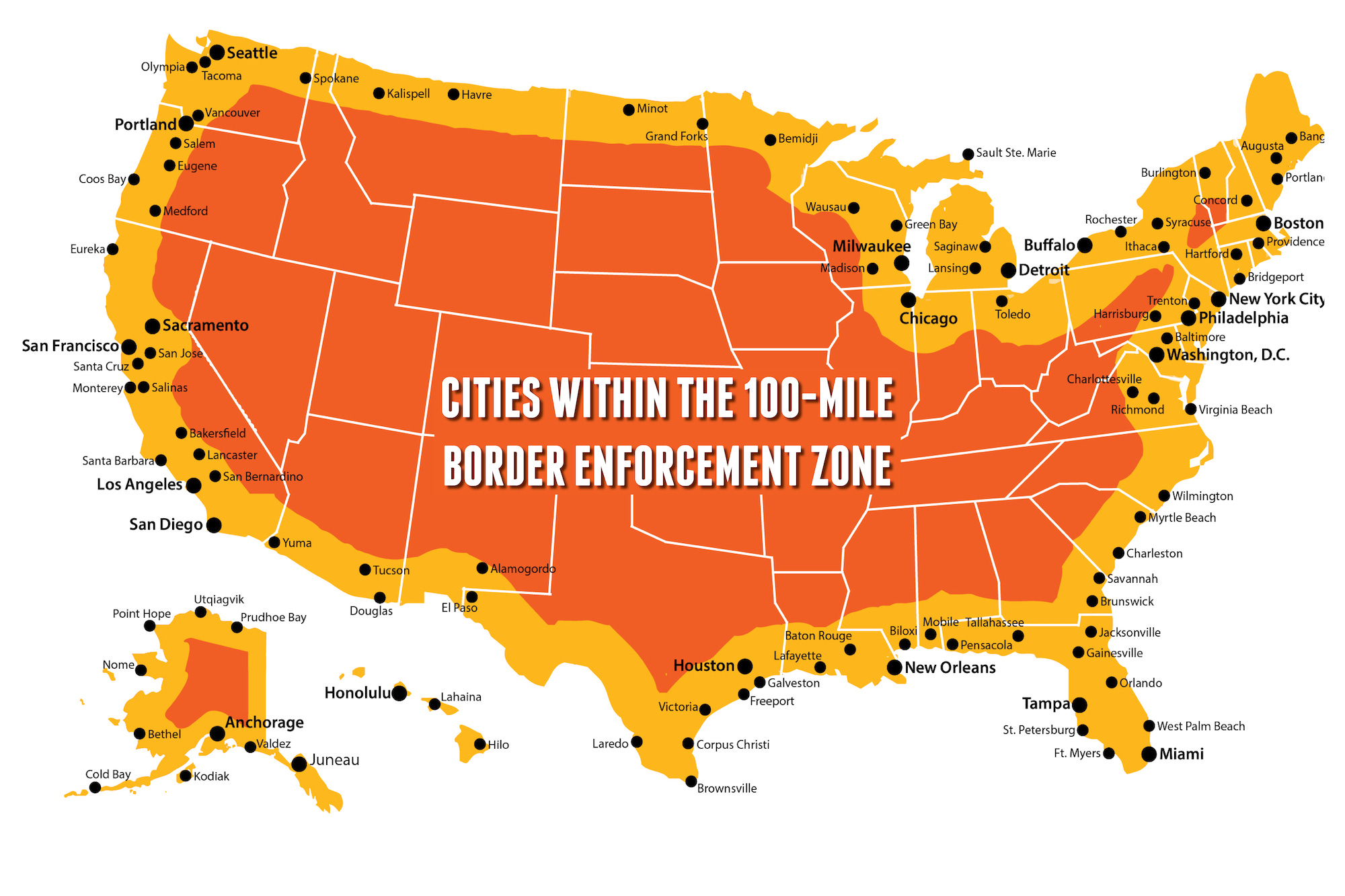
This “100-mile border zone,” established not by the Constitution but by a series of statutes, regulations, and judicial decisions, now encompasses roughly two-thirds of the U.S. population. Though often described as a pragmatic administrative tool, the 100-mile zone represents the culmination of a century-long transformation in the balance between federal immigration authority and individual constitutional rights.
What began as a narrow acknowledgment of the government’s need to inspect individuals at the point of entry has expanded into a vast internal policing jurisdiction in which the Fourth Amendment’s usual protections are diminished.
This essay was originally submitted as a term paper for SPEA-V 339 Legal History at Indiana University Bloomington.
This paper traces the historical and policy evolution of the 100-mile zone, focusing on how key Supreme Court decisions, including Almeida-Sanchez v. United States (1973), United States v. Brignoni-Ponce (1975), United States v. Martinez-Fuerte (1976), and most recently Department of Homeland Security v. Thuraissigiam (2020), both reflected and reinforced shifting national priorities around immigration, security, and civil rights.
The aim is to show that the 100-mile zone is not a neutral administrative construction but the product of historical contingencies, political anxieties, and judicial choices that increasingly privileged enforcement flexibility over constitutional constraint.
The roots of the 100-mile zone lie in early federal customs and immigration enforcement, where searches at ports of entry were treated as a narrow and necessary exception to the Fourth Amendment. For most of the nineteenth century, immigration regulation occurred overwhelmingly at seaports; the land border was sparsely patrolled, and the federal government lacked both the capacity and the political incentive to treat the border as a site of continuous policing.
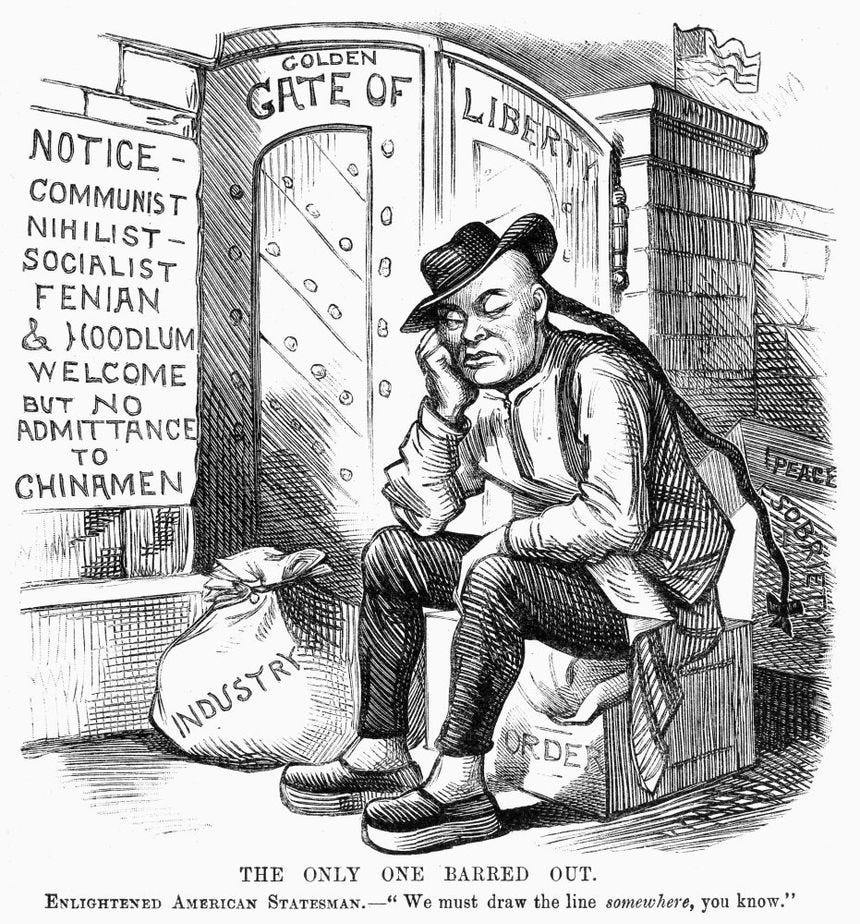
This began to change with the rise of racialized immigration restriction in the late nineteenth and early twentieth centuries. The Chinese Exclusion Act (1882) and its successors created new demands for inland enforcement, federal officers now needed the ability not merely to screen individuals at entry but to detect and deport those who entered unlawfully. Congress responded by gradually expanding federal officers’ authority to interrogate and arrest individuals “near the border” without a warrant.
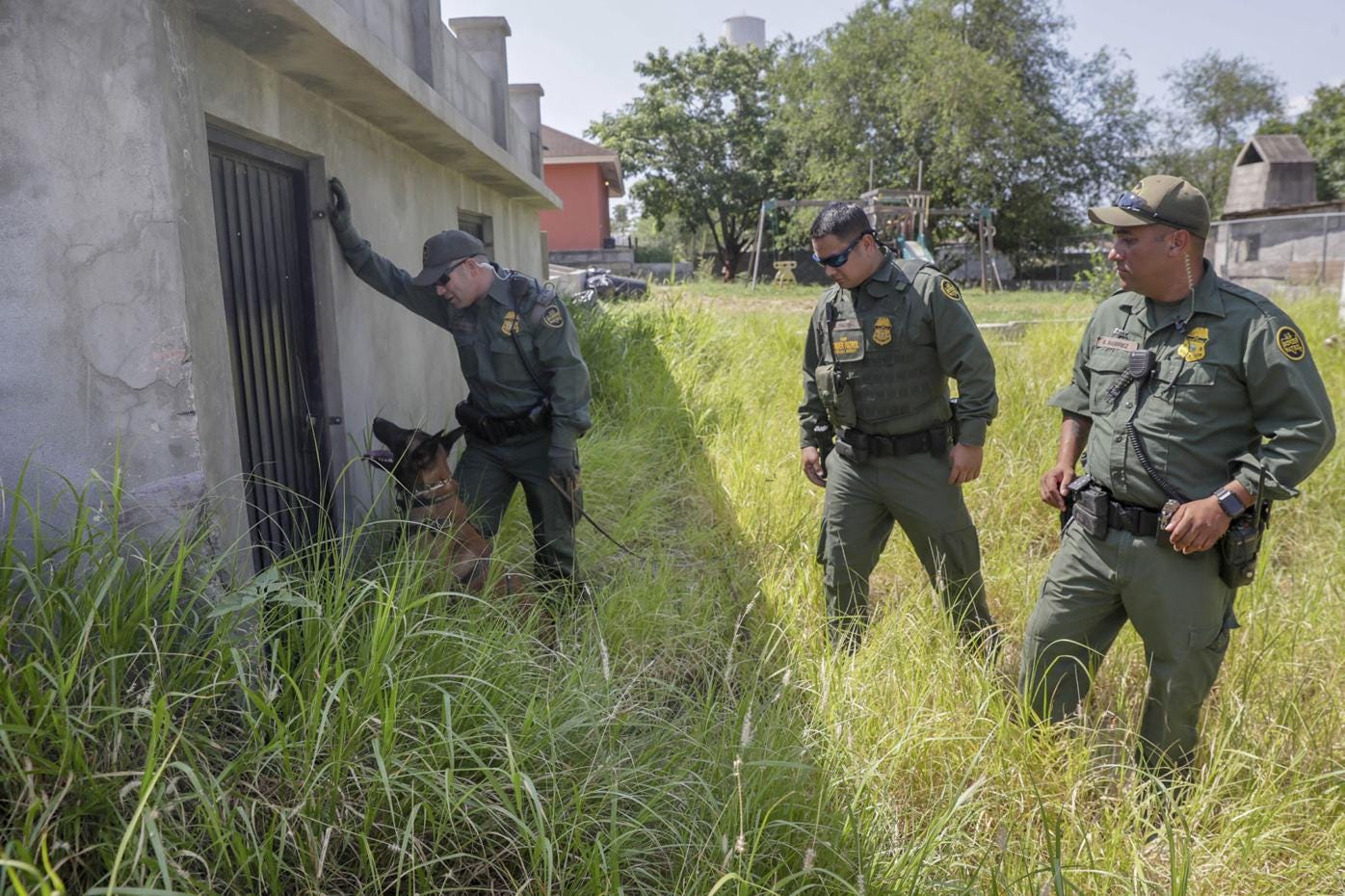
The critical step came with the Immigration Act of 1924, which created the U.S. Border Patrol. Congress authorized agents to “board and search” vehicles within a “reasonable distance” of the border, language that initially lacked a numerical definition but established the conceptual foundation for a geographically extended search regime. In 1953, the Department of Justice defined “reasonable distance” as 100 miles. The choice was administrative rather than constitutional: little legislative debate occurred, and courts largely accepted the regulation as a matter of executive discretion.
Yet for decades, the scope and legitimacy of these interior activities remained uncertain. The 100-mile zone existed as a regulatory construct, but the courts had not yet articulated a coherent constitutional framework for warrantless interior stops and searches. That framework would emerge in the 1970s, and with it, the modern border zone.
The Supreme Court’s 1970s immigration cases represent the doctrinal birth of the modern 100-mile zone. Together, Almeida-Sanchez, Brignoni-Ponce, and Martinez-Fuerte created a patchwork of standards governing interior searches and checkpoints. They did not explicitly endorse the 100-mile figure, but they validated the underlying logic: that the government may operate a constitutionally diminished space extending far from the border itself.
In Almeida-Sanchez, the Court struck down a warrantless roving-patrol search conducted 25 miles from the Mexican border, holding that the Fourth Amendment prohibited such searches absent probable cause or a warrant. Justice Stewart warned that the government’s reliance on the “reasonable distance” regulation threatened to turn the border-search exception into “a general search power within a vast area of the United States.” But Almeida-Sanchez proved to be an outlier. Congress and the executive branch quickly responded, and the Court soon retreated from the decision’s rights-protective logic.
Two years later, Brignoni-Ponce partially reversed the momentum of Almeida-Sanchez by allowing Border Patrol agents to stop vehicles near the border based on “reasonable suspicion” of an immigration violation. The Court did not hold that Mexican ancestry or appearance alone can justify a stop. In fact, the Court stated plainly that “Mexican appearance” cannot, by itself, create reasonable suspicion. However, the Court did something more structurally significant: it held that Mexican appearance may be considered as one factor among others in determining reasonable suspicion. This doctrinal move, an attempt to prohibit racial profiling in theory while permitting it in practice, created an unstable middle ground that Border Patrol quickly exploited.
The decision reflected 1970s anxieties about undocumented migration and signaled the Court’s willingness to relax constitutional protections in the immigration context. But it was the next decision that fundamentally shaped the 100-mile zone as it exists today.
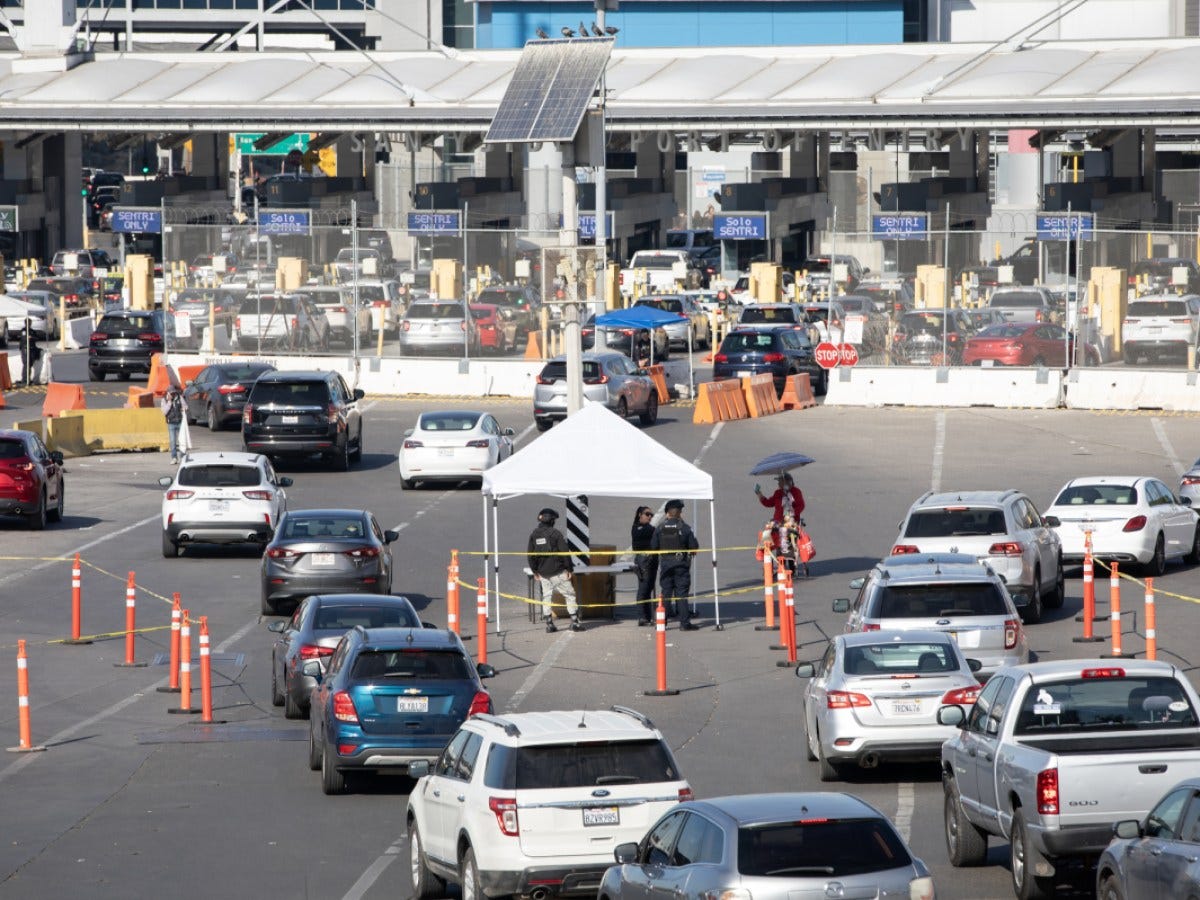
In Martinez-Fuerte, the Court upheld suspicionless stops at fixed immigration checkpoints located up to 100 miles from the border. This was the decisive step: the Court deemed these interior stops “minimal intrusions” justified by the government’s interest in immigration control. The opinion characterized the stops as brief, orderly, and minimally discretionary, assumptions that have proven historically dubious.
By validating suspicionless checkpoints deep inside the interior, the Court effectively constitutionalized the 100-mile zone. The federal regulation defining “reasonable distance” had existed since 1953, but after Martinez-Fuerte, it acquired judicial consent. The decision marked a major turning point in Fourth Amendment history: it carved out a geographically defined area in which ordinary constitutional protections were significantly diminished.
Following the 1970s cases, the 100-mile zone became a core enforcement space for both immigration control and drug interdiction. The Drug War blurred the line between immigration policing and general law enforcement, and Border Patrol agents increasingly used immigration-related stops to initiate broader criminal investigations.
Courts largely accepted these hybrid practices. Although the Supreme Court later held that narcotics checkpoints required explicit narcotics-related justification (e.g., City of Indianapolis v. Edmond (2000)), immigration checkpoints continued under the assumption that their “primary purpose” remained immigration control, even when they routinely produced drug arrests.
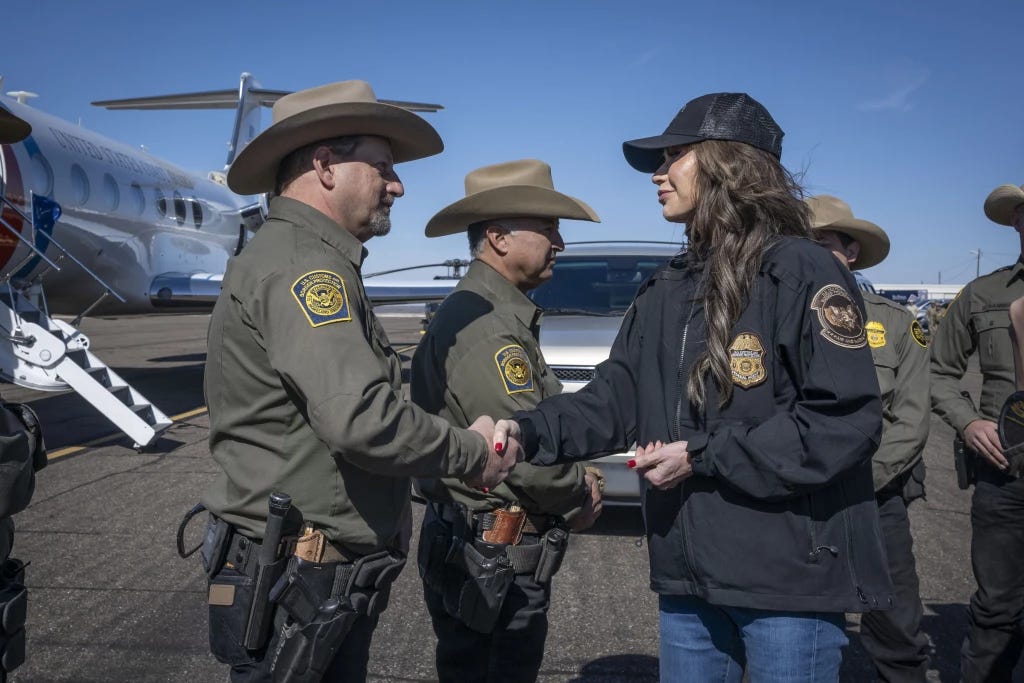
As the zone’s enforcement footprint expanded, its constitutional logic hardened. Courts treated the interior immigration stop as a special administrative procedure, not a criminal investigation, even though its consequences often resemble those of ordinary policing. The result was the emergence of a dual Fourth Amendment: one robust in the interior, another weakened in the borderlands.
The early 2000s reshaped the political meaning of the border. After 9/11, immigration enforcement became intertwined with national security, and the newly created Department of Homeland Security consolidated border policing, counterterrorism, and customs enforcement under one administrative umbrella.
The legal implications were significant:
· Border Patrol checkpoints increased in number and capacity.
· CBP and ICE began conducting interior sweeps at bus stations, train depots, and airports, all within the 100-mile zone.
· Digital border searches emerged, targeting cell phones and laptops without suspicion.
· Paramilitary normalization made the border zone a quasi-security jurisdiction rather than a discrete immigration space.
This transformation culminated doctrinally in Department of Homeland Security v. Thuraissigiam (2020), where the Court reaffirmed the plenary power doctrine and sharply curtailed the ability of migrants to challenge expedited removal. Although the case did not directly address the 100-mile zone, it underscored the Court’s renewed deference to the executive in immigration matters, a deference that supports expansive interpretation of the border-search exception. The post-9/11 era marked the moment when the 100-mile zone was no longer merely a set of administrative practices but a central component of a national-security legal order.
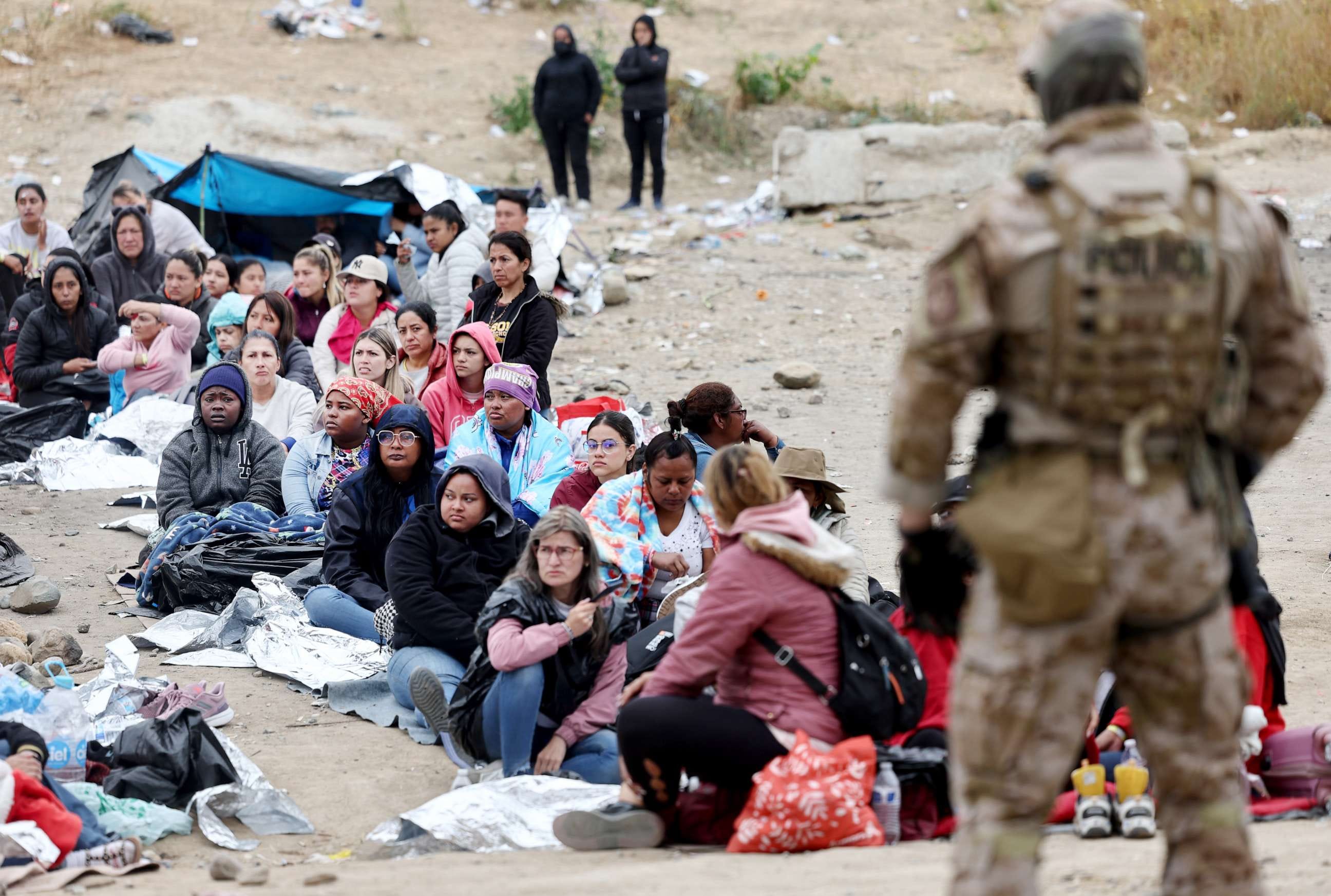
Today, the 100-mile zone encompasses:
· almost all major U.S. metropolitan areas,
· the entire populations of several states,
· critical transportation hubs where CBP conducts “immigration checks,” and
· interior regions where local police often collaborate with federal agents.
Practically, this means that tens of millions of people live under a different Fourth Amendment regime, one where: warrantless, suspicionless stops are permitted at checkpoints; roving patrols may stop vehicles based on racialized “reasonable suspicion”; digital devices may be searched without warrants; and the line between immigration enforcement and criminal investigation remains dangerously blurry.
The historical irony is that the border-search exception was once justified by immediate sovereign needs at the point of entry. But the modern 100-mile zone places many Americans, including U.S. citizens far from the border, in a constitutionally diminished space that the Framers could not have imagined and nineteenth-century courts repeatedly rejected.
The 100-mile border zone is not a static legal doctrine but the cumulative product of evolving statutes, administrative choices, and judicial decisions responding to changing political pressures. Its historical trajectory reveals a consistent pattern: as national anxieties about immigration, race, drugs, and terrorism intensified, courts increasingly accommodated federal demands for broader interior enforcement, even at the expense of core Fourth Amendment principles.
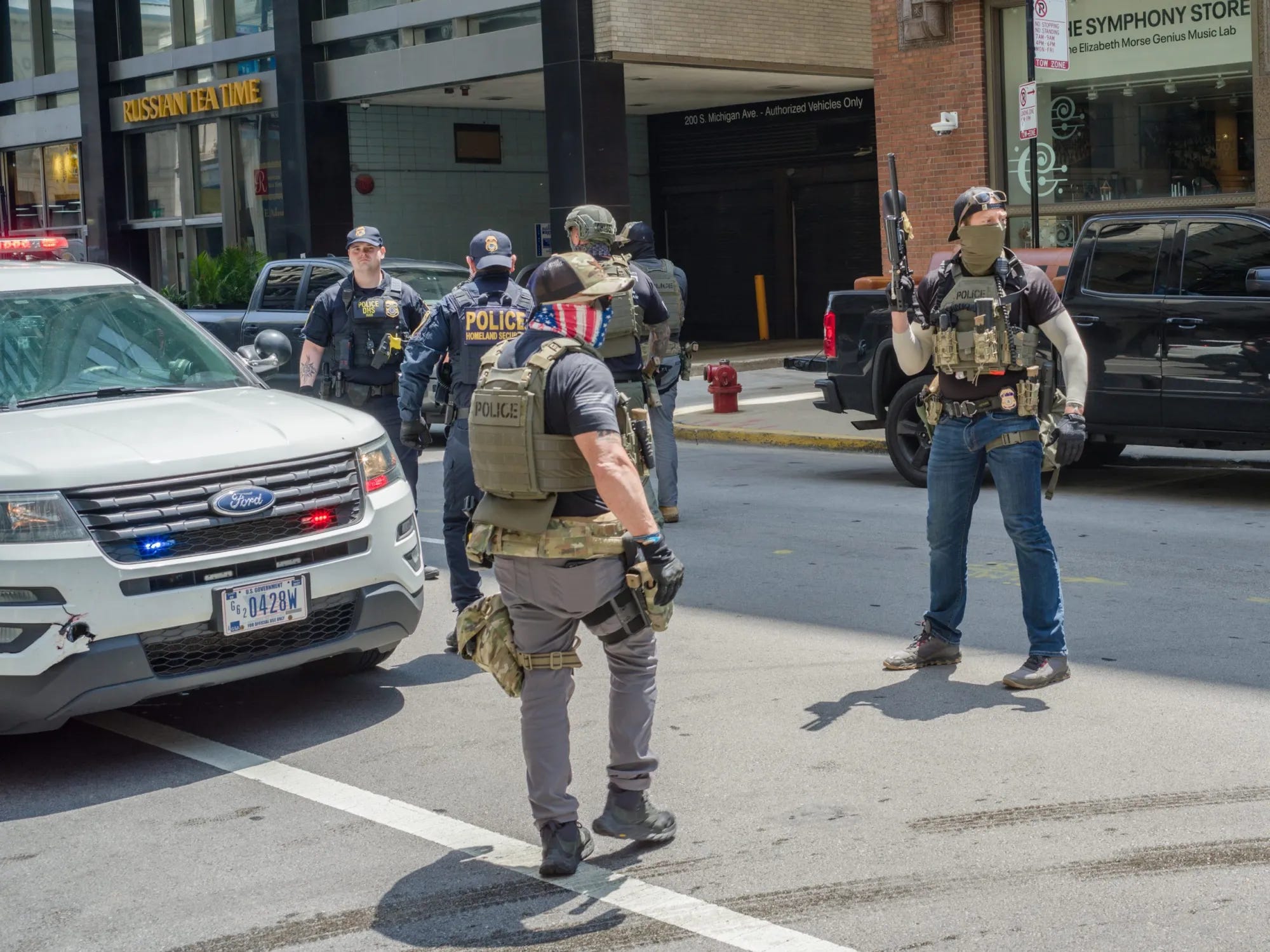
Almeida-Sanchez offered a brief moment of resistance, warning that the border-search exception risked swallowing the Fourth Amendment. But Brignoni-Ponce and Martinez-Fuerte, combined with decades of national-security expansion and the modern resurgence of plenary power exemplified in Thuraissigiam, ensured that the exception would grow dramatically rather than contract.
By centering administrative convenience over constitutional constraint, the United States created not merely a border but a vast border zone: a legally exceptional region in which millions of residents experience weakened constitutional protections. Recognizing this history makes clear that the 100-mile zone is not inevitable: it is the product of choices, and it can be unmade by choices as well.
If you found this analysis useful, consider subscribing. I write about the legal, historical, and structural forces shaping American governance, and every new reader helps deepen the conversation. Your engagement: comments, shares, questions, strengthens the work and pushes these debates into the public sphere where they belong.